Kimono Rental in Tokyo: A Wearer's Honest Guide
Some links are affiliate links — we may earn a small commission at no extra cost to you.
Quick answer
A good kimono rental in Tokyo runs about ¥3,000–6,000 for a casual set with basic hair styling, and ¥10,000–20,000+ for a premium silk or photography package. The difference between a great experience and a tourist-trap one almost never shows up in the price — it's in the fit, the fabric, and whether the shop dresses you for the season you're actually visiting in. Asakusa has the widest selection and the easiest streets to walk in kimono; Ginza and Omotesando trade selection for a calmer, more polished experience. If you want something with more character than the standard rental fleet, renting or buying a vintage kimono is a distinct — and often cheaper — alternative worth knowing about.
What actually separates a good rental from a tourist trap
Price is the least useful signal here. What matters is whether the shop treats you like a person with a specific body, not a mannequin.
They size you properly. A kimono that's merely draped on and cinched tight with the obi will look and feel wrong all day — the collar gapes, the hem drags or rides up, and sitting down becomes a wrestling match. A good shop asks your height, picks a kimono length accordingly, and adjusts the ohashori (the fold tucked at the waist) to your torso rather than using the same fold for everyone that day.
They don't rush the dressing. Properly dressing a kimono — under-layer, collar, obi, final adjustments — takes a trained person a genuine 15–20 minutes. If you're in and out in five, something was skipped, usually the parts that keep it comfortable (the collar tension, the obi padding) rather than the parts that show in photos.
They're honest about what you're getting. A shop that tells you plainly "this is a synthetic/polyester set, not silk" is more trustworthy than one that lets you assume otherwise. Polyester isn't a problem — it's practical, washable, and the right choice for most rental use — but you should know which one you're wearing.
They let you check the fit yourself. In my own experience, two things matter more than anything printed on a tag: the obi should be tied firmly enough to hold its shape, but you should still be able to breathe and bend forward comfortably — if it's genuinely painful, that's not "traditional," that's a bad fit, so say so before you leave the shop. The same goes for hem length: not dragging, not riding up, and if you know you'll be moving around a lot that day, a touch shorter is more practical than the longest, most photogenic length. Most first-timers can't tell good fabric from bad by touch, and that's fine — the simplest proxy is price relative to the area. A shop charging noticeably less than everyone else nearby is usually cutting corners somewhere, and fabric is the easiest place to cut.
What to check before you commit
A short, practical list to run through at the counter, before you've paid:
- Fit over look. Try the uwagi (outer robe) on over the juban (under-layer) before the obi goes on, and say so if the shoulders feel too wide or the sleeves drag past your fingertips.
- Fabric and weight. Ask whether the set is lined (awase), unlined (hitoe), or the thin, gauzy summer weave (usumono) — traditionally awase is worn roughly October–May, hitoe in June and September, and usumono in July–August, though with warmer modern summers it's now widely accepted to be off by about a month in either direction. Wearing the wrong one on a hot day is the single most common rental-day complaint.
- Obi tension. It should feel snug, not like a corset. You should be able to take a full breath and sit down without the top edge biting into your ribs.
- What's included vs. extra. Hair styling, a bag, socks (tabi), and sandals (zori) are sometimes bundled and sometimes each an add-on — ask for the all-in price before you commit, not after.
- Weather plan. Ask what happens if it rains — some shops lend a kimono-length umbrella or a plastic rain cape; others don't, and silk-look sets are genuinely unforgiving of rain.
Choosing an area: Asakusa, Ginza, or Omotesando
The same logic that applies to choosing a tea ceremony by area applies here — each neighborhood has a different kimono scene, not just a different backdrop.
- Asakusa has the highest concentration of rental shops in Tokyo and the most forgiving streets to actually walk in kimono — flat, short blocks between Senso-ji and Nakamise-dori. It's also the most price-competitive area, which is where the tourist-trap risk is highest: the convenience and the corner-cutting live side by side here, so the checklist above matters most in Asakusa specifically.
- Ginza has fewer rental shops, generally positioned as a calmer, more polished experience rather than a volume operation — a reasonable pairing with a Ginza tea ceremony or a Kabuki-za visit on the same day.
- Omotesando / Harajuku leans younger and more fashion-forward, with some shops styling kimono with modern accessories or offering vintage/antique pieces rather than the standard tourist set. Fewer options, but worth a look if "classic tourist rental" isn't the vibe you're after.
Rough price ranges
- Casual set, basic styling: ¥3,000–6,000 (yukata-adjacent or simple synthetic kimono, no hair styling)
- Standard kimono set with hair styling: ¥5,000–10,000
- Premium / silk-look / photography package: ¥10,000–20,000+
- Kimono as a tea ceremony add-on: this is already common — 10 of the 22 experiences in our Price Index list a kimono option (see our what to wear to a tea ceremony guide). If you want both the tea and the kimono photos in one booking, this is often the better value than renting separately beforehand.
The vintage/antique kimono option
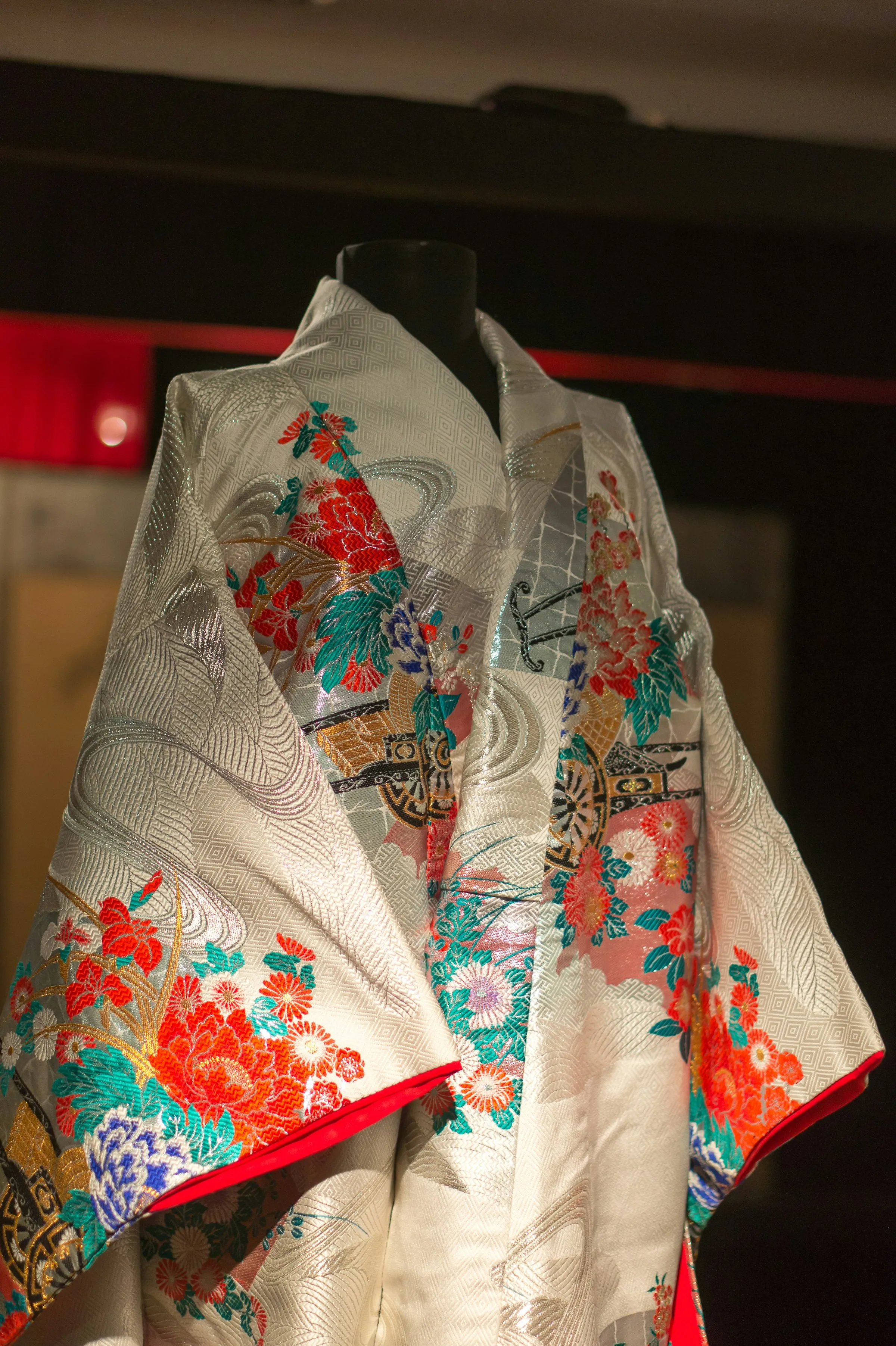
Nearly every tourist rental shop is working from the same pool of modern, mass-produced polyester kimono in a handful of popular patterns — which is fine, but it means a lot of rental-day photos end up looking alike. Antique and vintage kimono (often sold or rented through recycle-kimono shops rather than the big tourist chains) are a different experience entirely: individual pieces, real silk in most cases, patterns and dyeing techniques you won't see in a standard rental fleet.
My honest take: vintage and antique kimono carry colors and patterns distinctive to the era they were made, which makes it much easier to actually feel a sense of Japanese history when you wear one — something the standard rental fleet, by design, doesn't give you. The tradeoff is real, though. Because the pieces are old, they can carry small stains or wear, and sizing tends to run smaller and less forgiving than modern rental stock, which makes them genuinely harder to fit and dress in. I'd point a first-time visitor toward a standard rental shop and save vintage for a second visit, or for anyone who's already a little kimono-curious and wants something with more character than the tourist fleet offers.
A seasonal note: kimono for koyo (autumn foliage) season
Autumn is one of the most photogenic times to wear kimono in Tokyo, and it's also the season where the fit-to-season point above actually matters. As the color turns toward momiji and chrysanthemum motifs, awase (lined) kimono become the traditionally correct choice — in the classic calendar, awase runs roughly October through May, with the lighter hitoe (unlined) kimono reserved for June and September and the thinnest summer weave (usumono) for July and August. Modern summers run hotter than they used to, though, so most rental shops and wearers now treat these boundaries as flexible by about a month in either direction rather than a hard rule.
If you're planning kimono photos around foliage — Rikugien, the Meiji Jingu outer gardens, or the riverside paths near Asakusa — ask the rental shop directly whether their autumn stock has switched over yet; some shops are slower than others to rotate out of summer-weight fabric once the calendar turns.
Frequently Asked Questions
- Do I need to speak Japanese to rent a kimono in Tokyo?
- No. The tourist-facing shops in Asakusa, Ginza, and Omotesando are used to foreign visitors and typically have English-speaking staff or clear picture-based fitting processes.
- Can I wear a rental kimono to a tea ceremony?
- Yes, and at several venues it's built in as an add-on rather than something you arrange separately — see what to wear to a tea ceremony for which ones include it. If you're renting elsewhere and bringing your own, just confirm the venue is fine with it and ask the rental shop to dress you with sitting and kneeling in mind, not just standing photos.
- How far in advance should I book a kimono rental?
- Walk-ins are common at the larger Asakusa shops on an ordinary day, but during peak seasons — cherry blossom in spring and koyo in autumn — same-day slots and popular time windows can fill up, so booking a day or more ahead is safer.
- Is it okay for a tourist to wear kimono in Japan?
- Yes — it's a completely normal, welcomed part of visiting, not something treated as disrespectful. Rental shops exist specifically for this, and wearing one respectfully (basic fit, nothing altered or worn in a way that mocks it) is simply part of the experience.