Tokyo
in Season
Tea ceremony experiences in Tokyo, compared and priced by an Urasenke practitioner who actually practices.
The Index
Updated quarterly · Q3 2026Prices range from ¥850 for a garden teahouse bowl of matcha to ¥20,000 for a private ceremony — the only public dataset of its kind for Tokyo tea ceremony experiences.
View the full Index →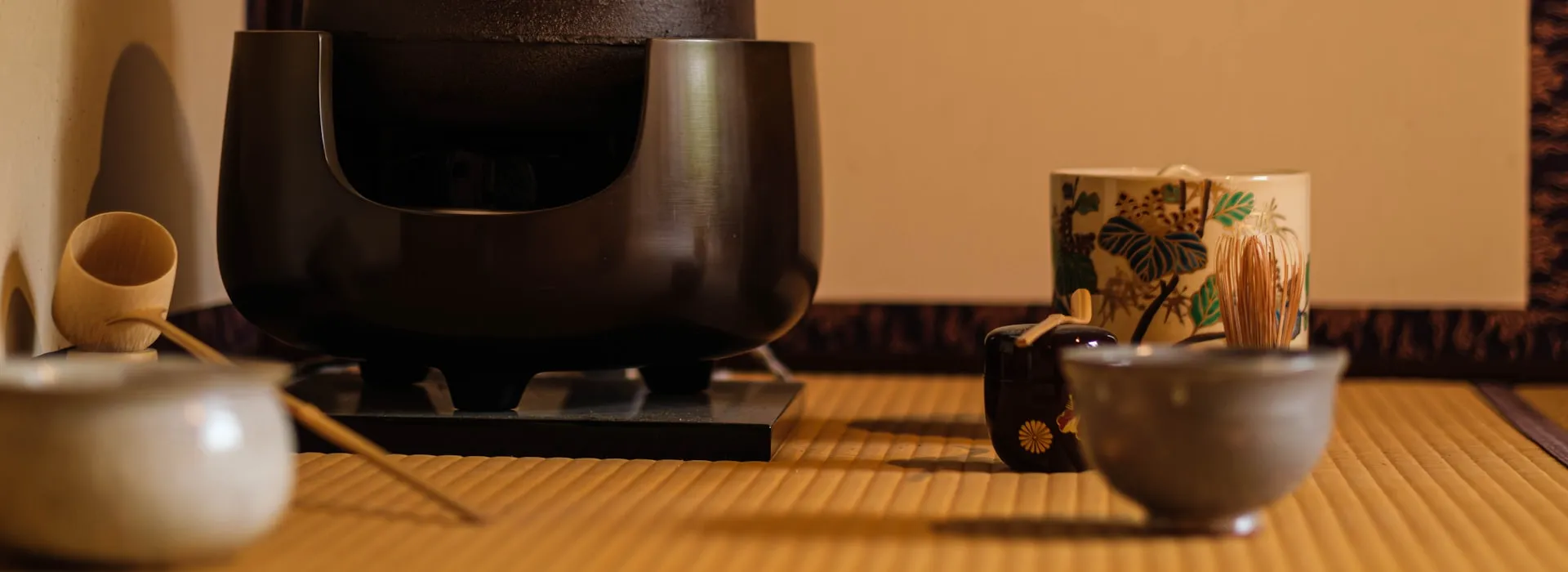
All Tokyo Experiences Compared
Side-by-side table: price, area, chairs available, kimono add-on, group vs private.
Decision Guides
11 guides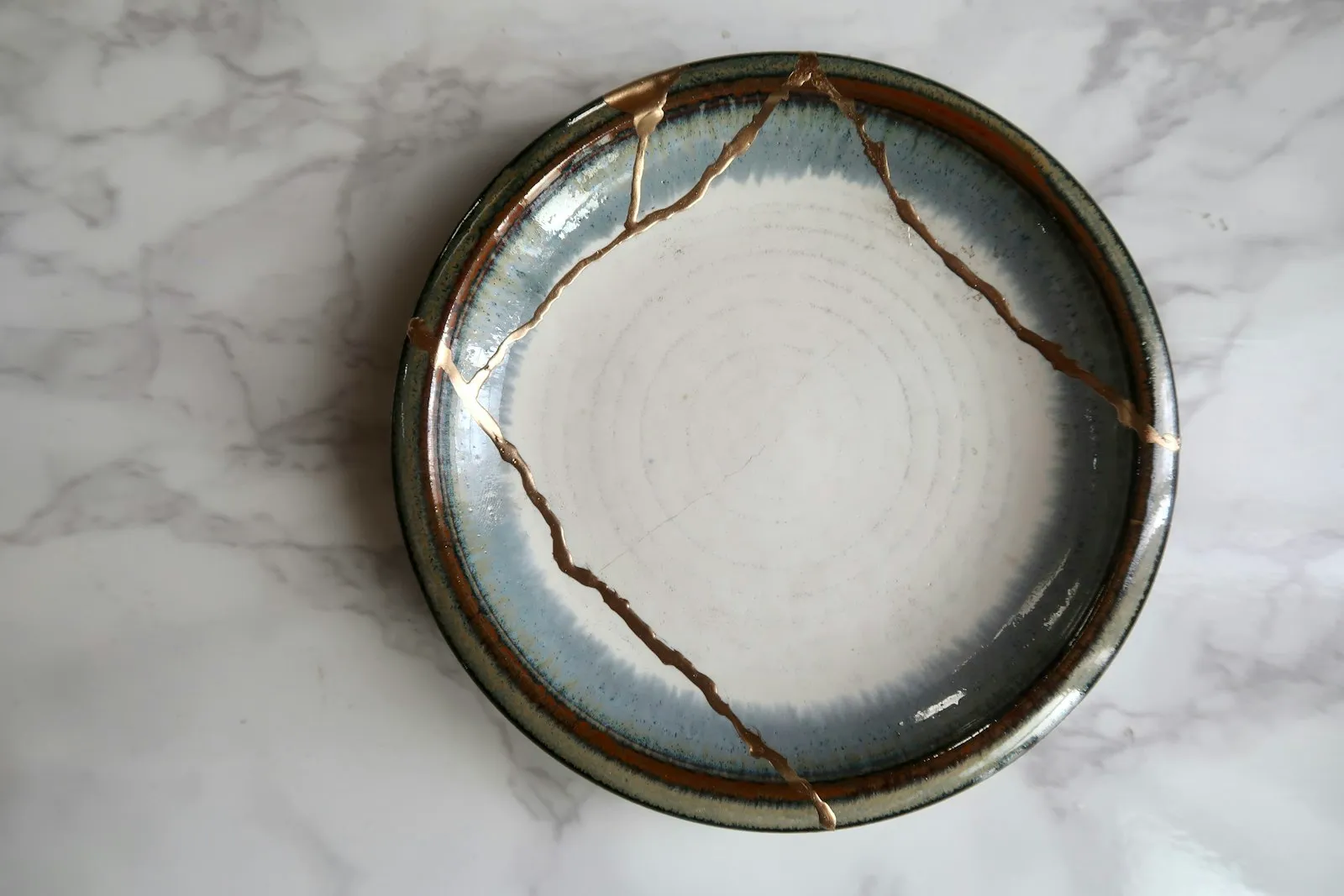
What Is Wabi-Sabi, Really? (And What Tourists Get Wrong)
It's not a home-decor style of beige linen and driftwood — it's a sensibility about imperfection and impermanence that most visitors never see explained.
Read the guide →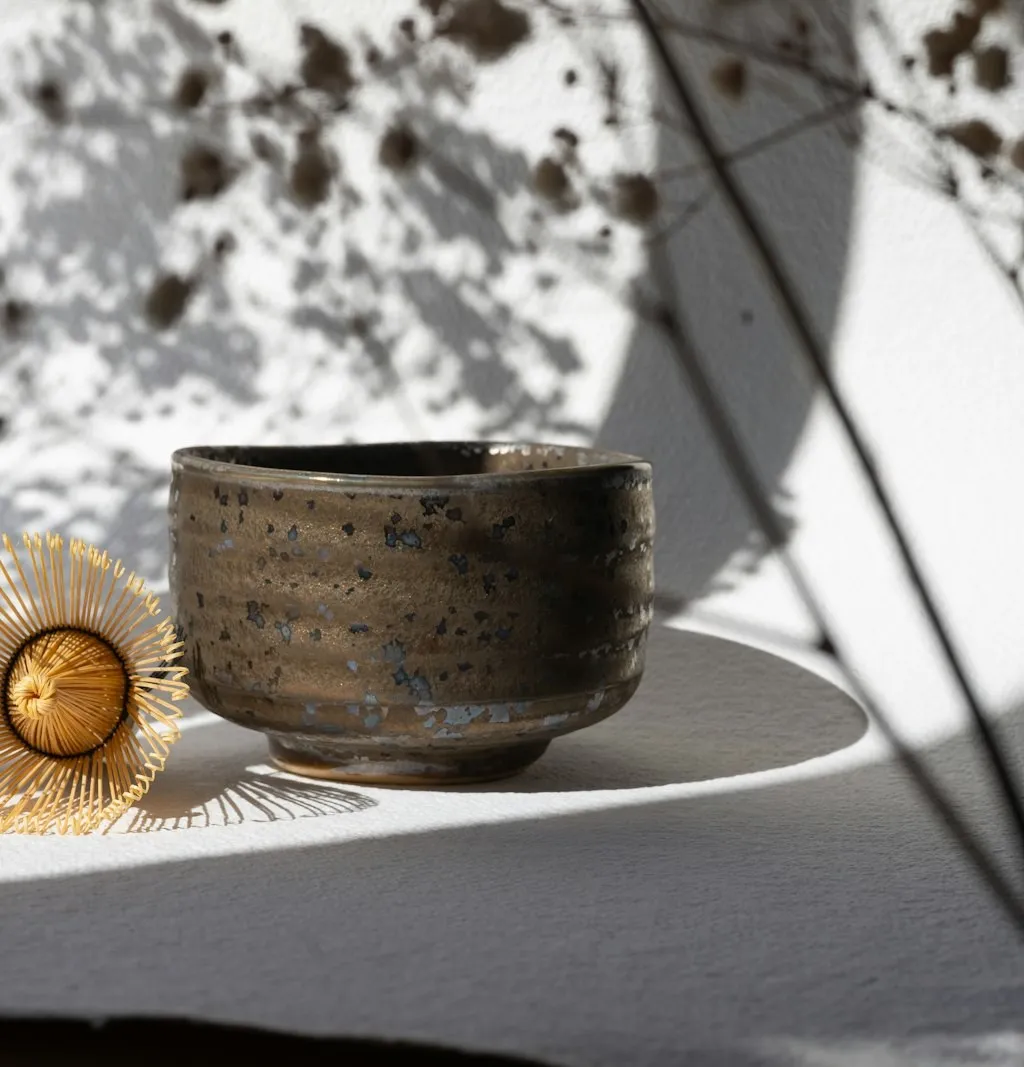
Is a Tokyo Tea Ceremony Worth It? An Insider's Honest Take
The honest number: of 20 experiences we track, only 2 are a genuine pick and 8 are worth skipping — price alone won't tell you which is which.
Read the guide →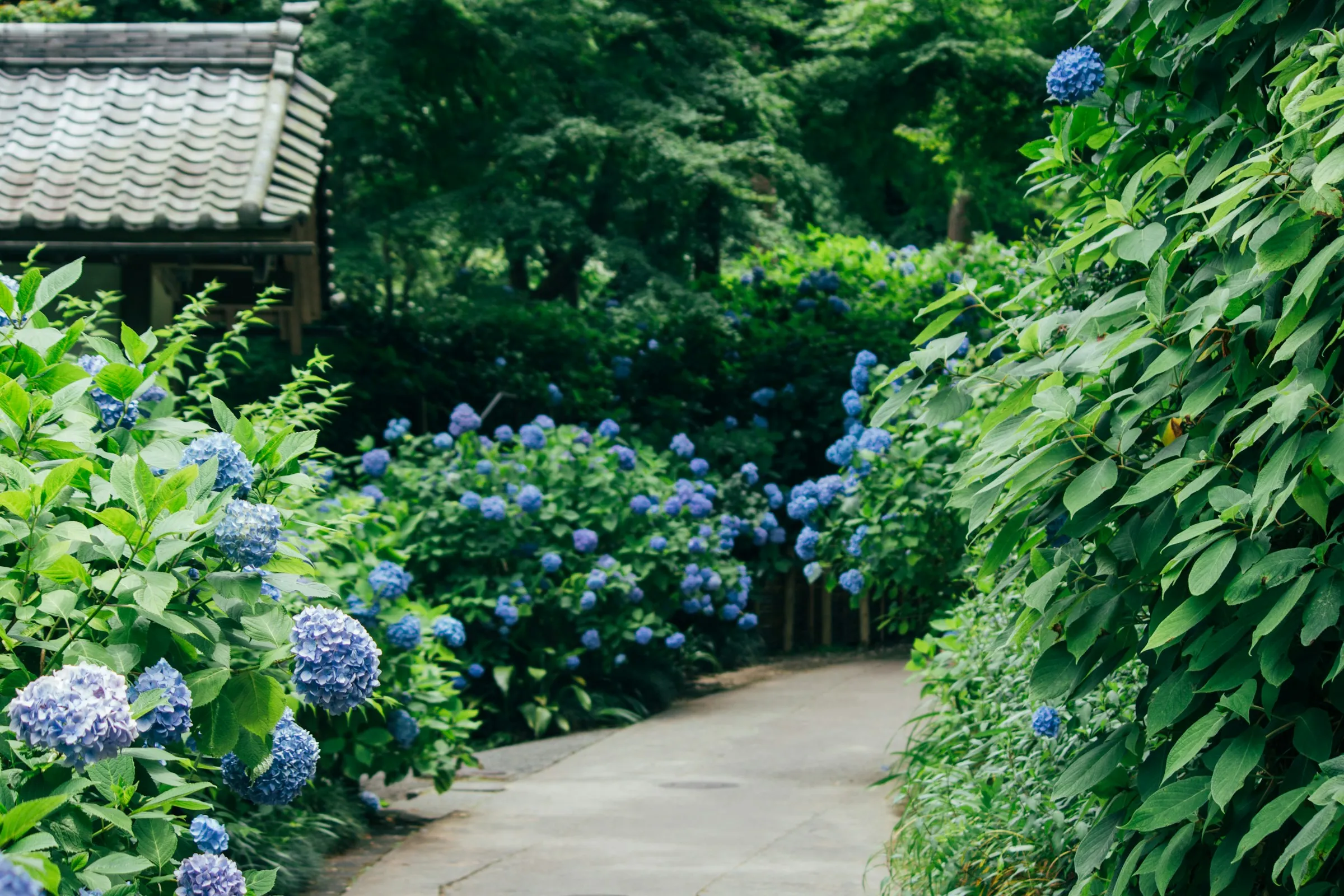
A Tea Ceremony in Every Season: What Changes Month to Month
Ro vs furo hearths, robiraki in November, and why the flowers and sweets change even when a tourist booking doesn't.
Read the guide →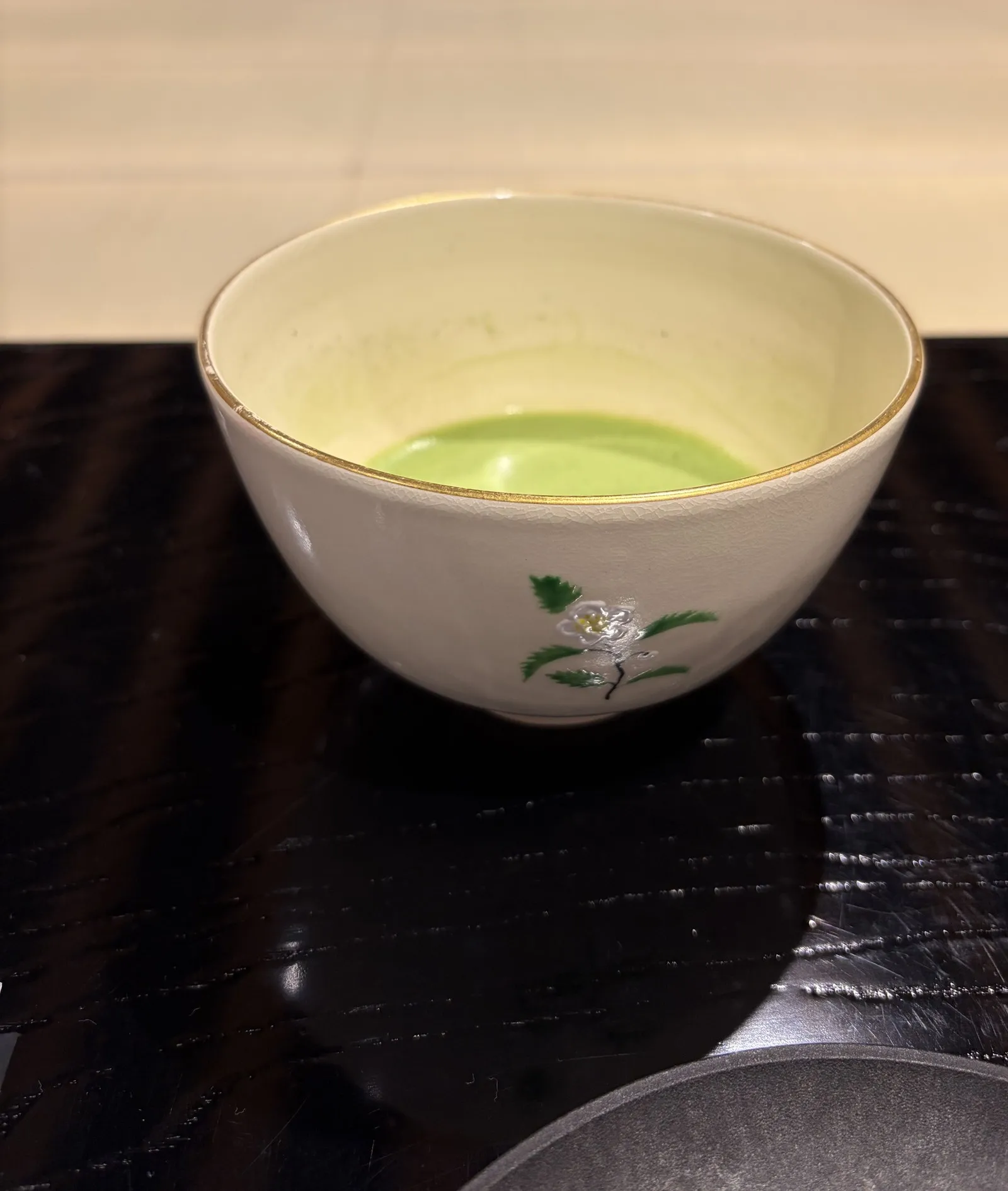
Matcha Grades Explained: What You're Actually Drinking
Ceremonial vs culinary grade, and why almost every Tokyo tourist ceremony serves usucha rather than the top-tier leaf.
Read the guide →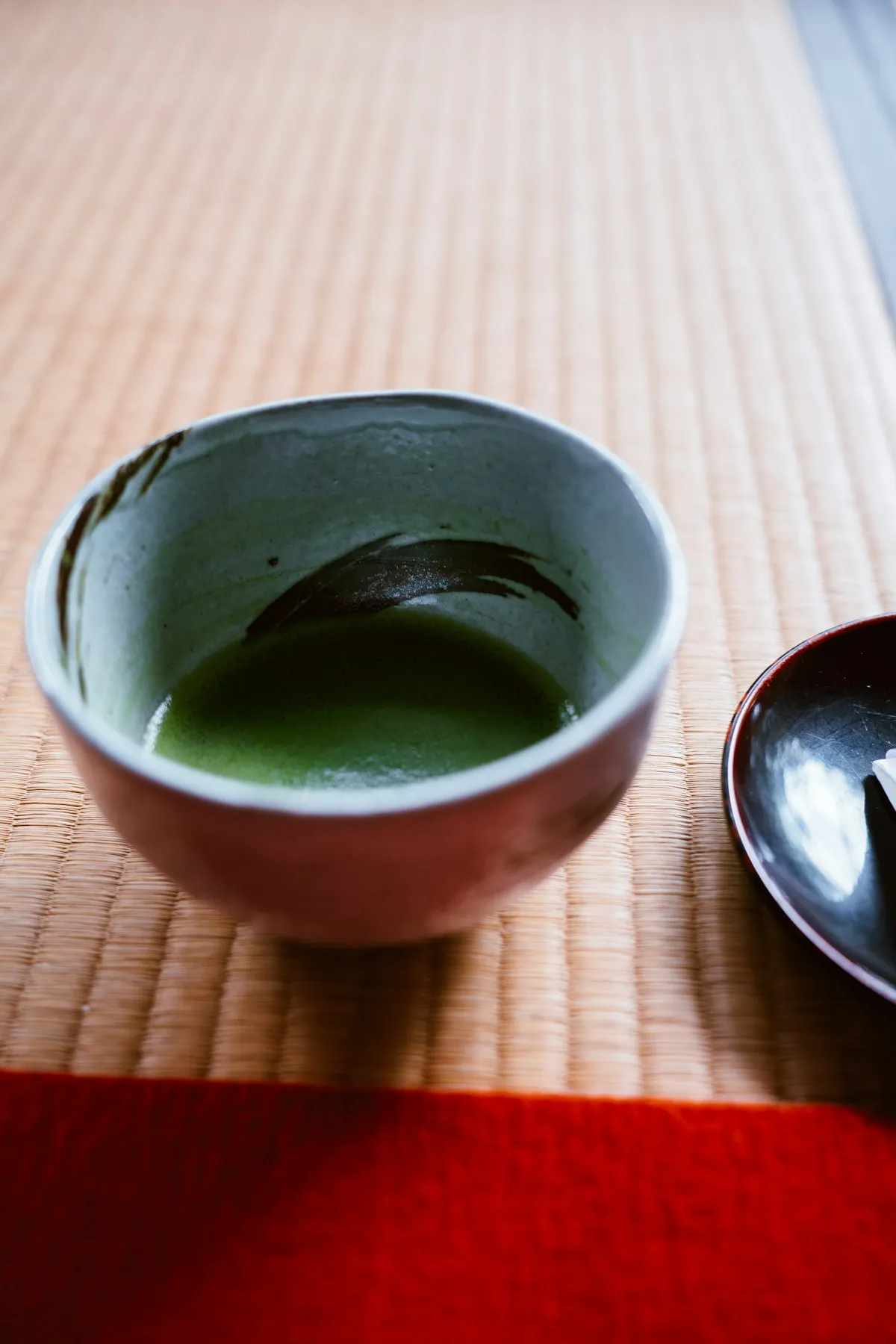
Urasenke vs Omotesenke: Do Schools Matter?
The real differences between Tokyo's two big tea schools — and why almost no venue tells you which one it follows.
Read the guide →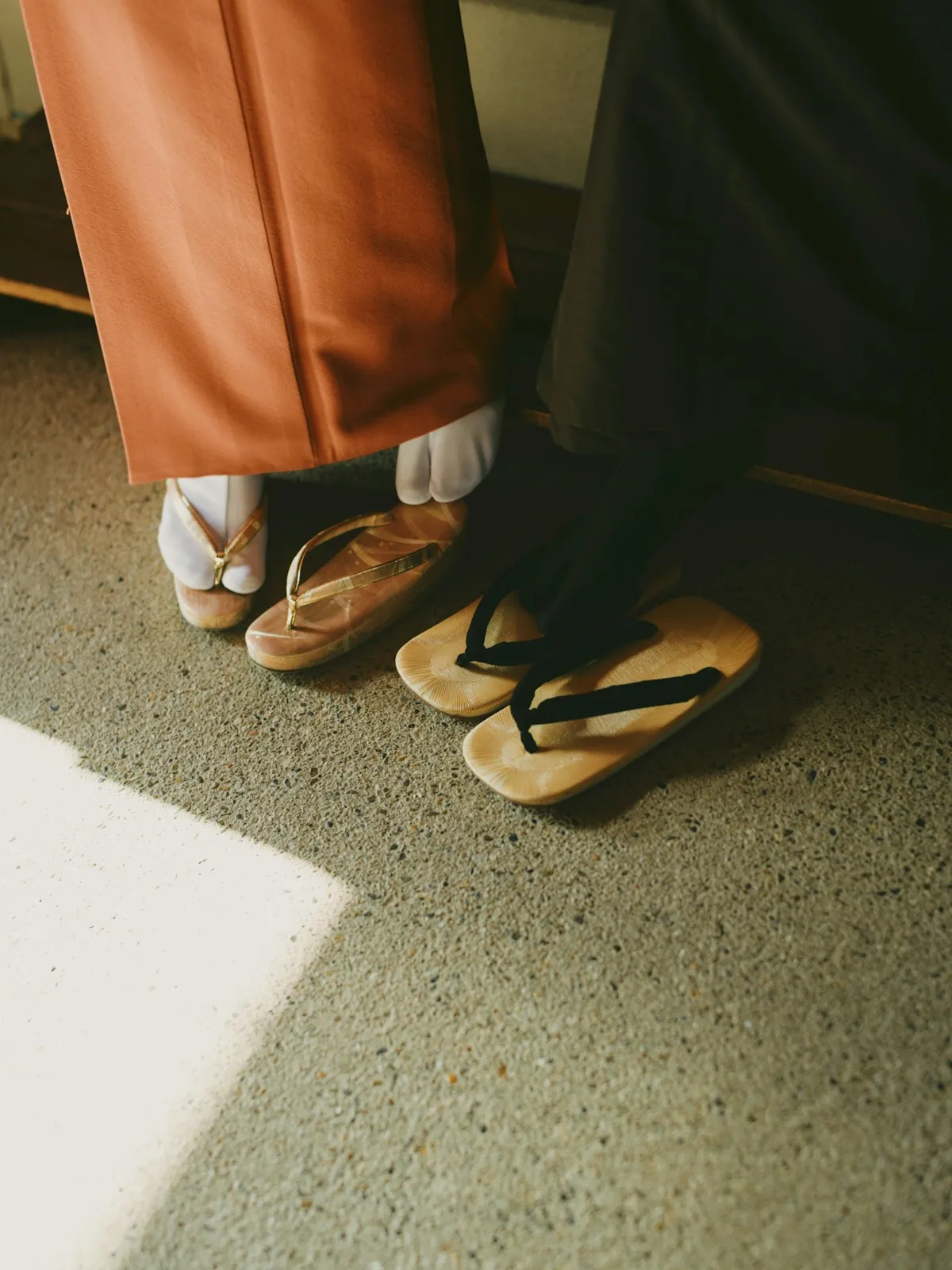
What to Wear to a Tea Ceremony
No kimono required — the dress rules that actually matter, from socks to jewelry.
Read the guide →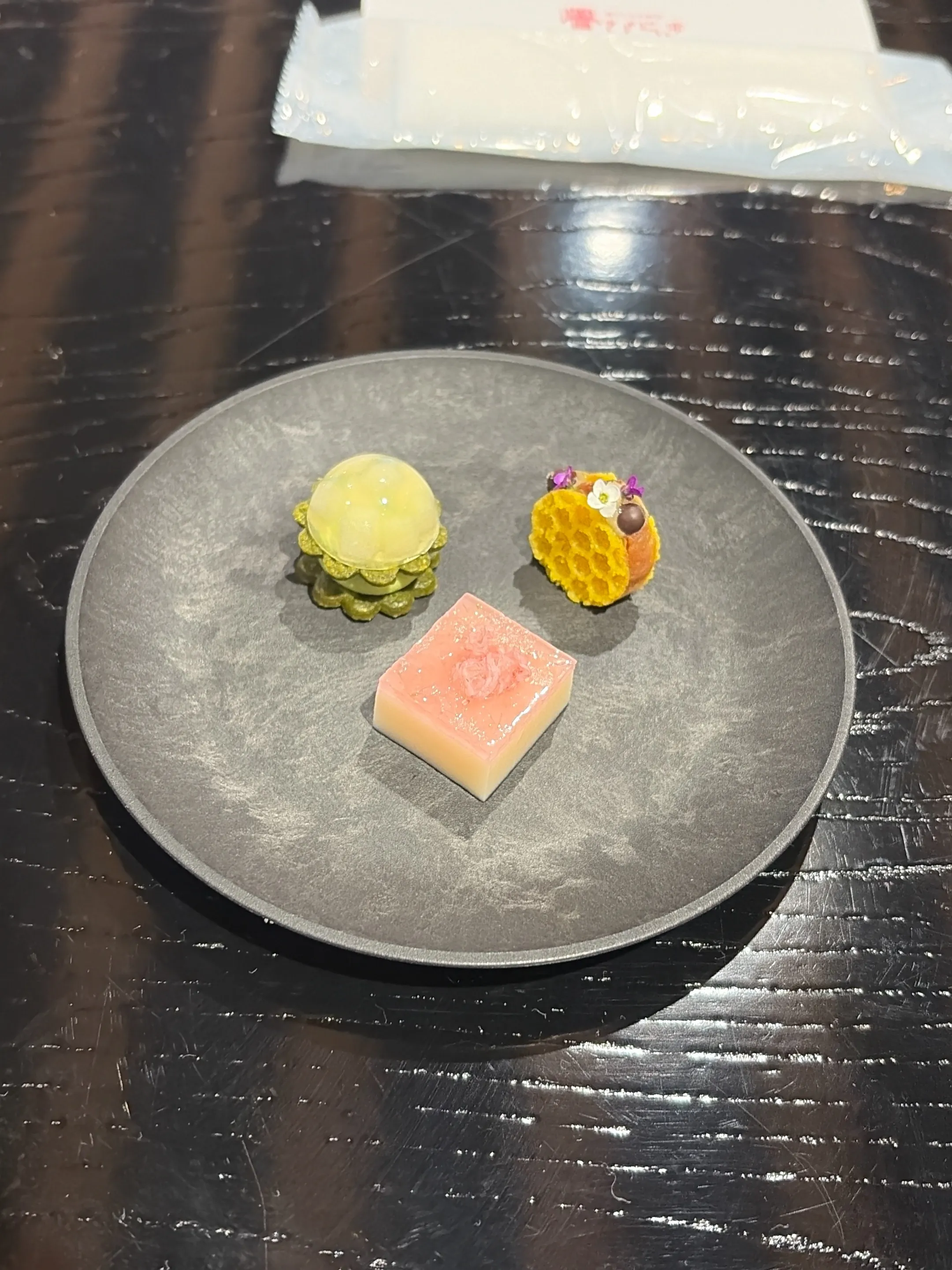
Wagashi 101: The Sweets Served at Tea
Namagashi vs higashi, kōhaku-tō, and how to eat them properly.
Read the guide →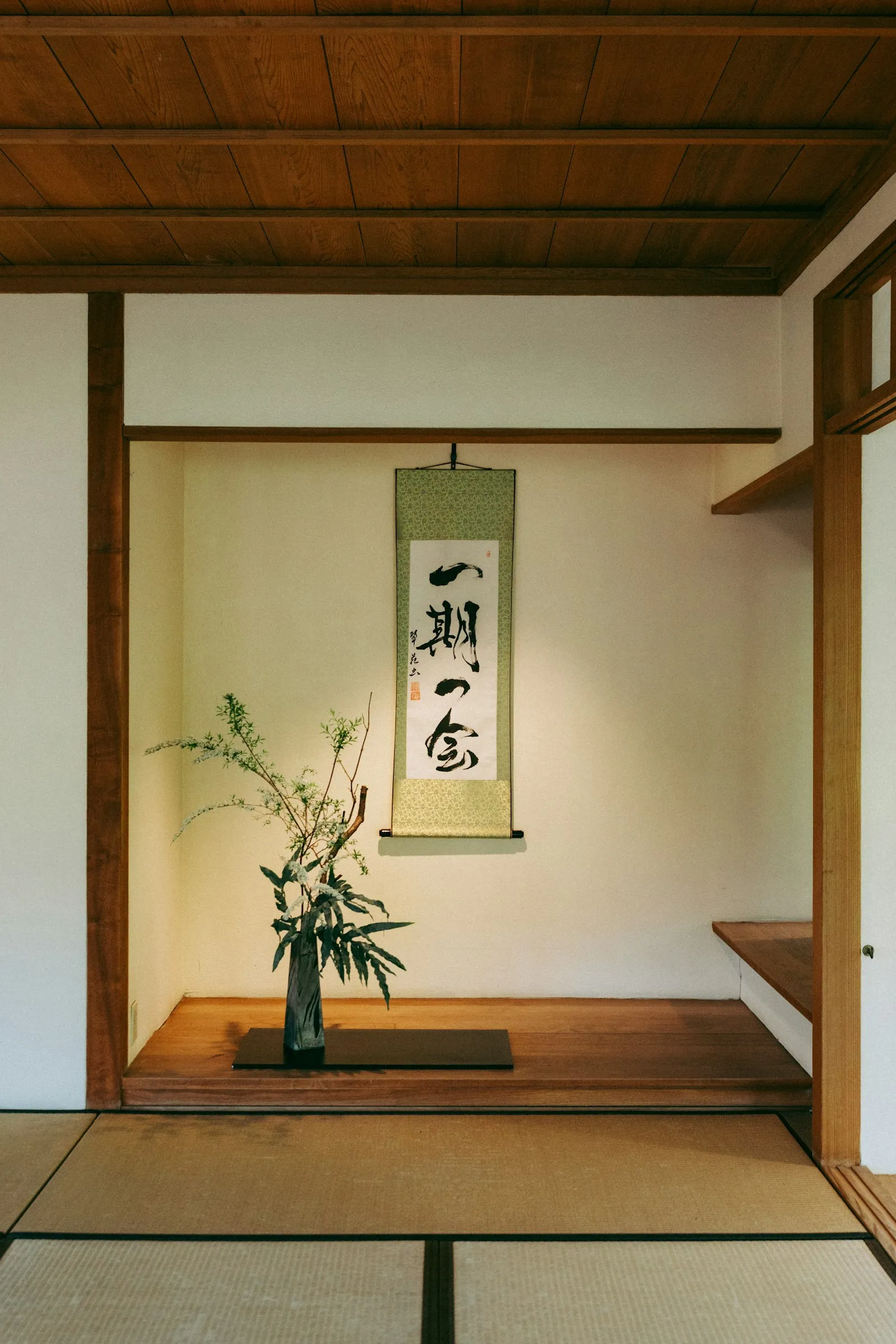
10 Questions to Ask Before You Book
The questions behind almost every bad review — asked for you.
Read the guide →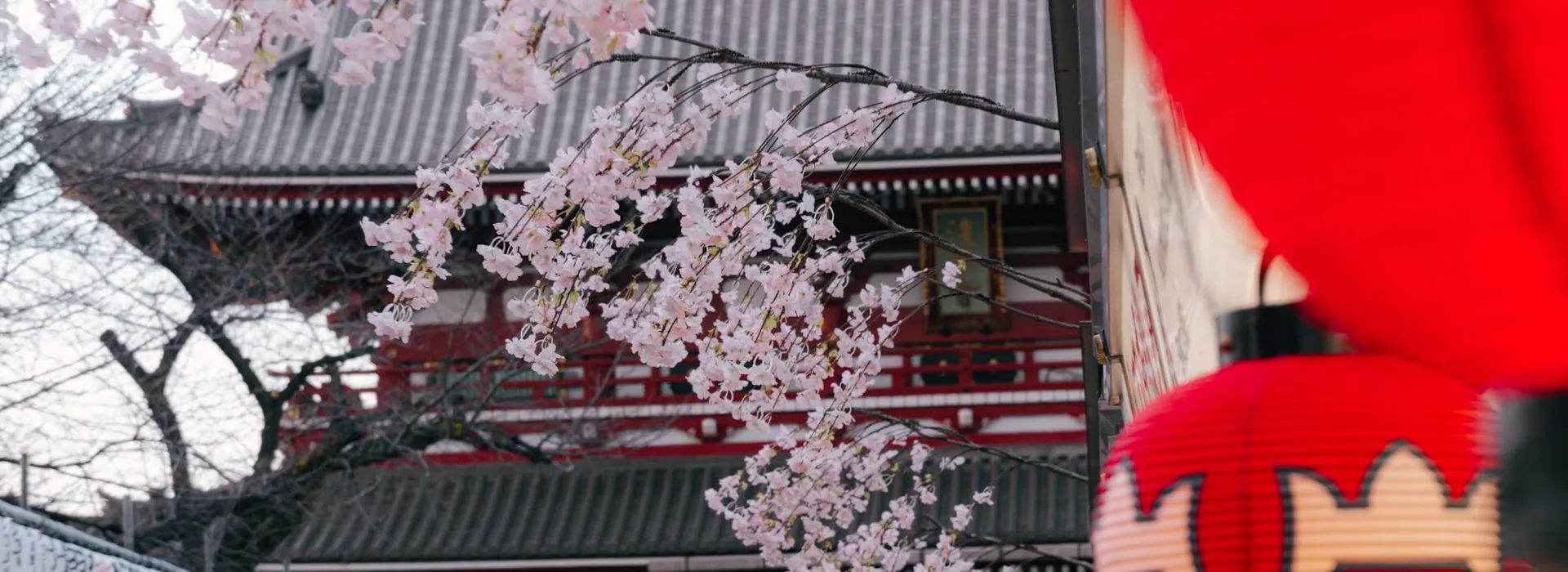
Asakusa vs Ginza vs Omotesando
Which area fits your trip — price, atmosphere, and depth compared.
Read the guide →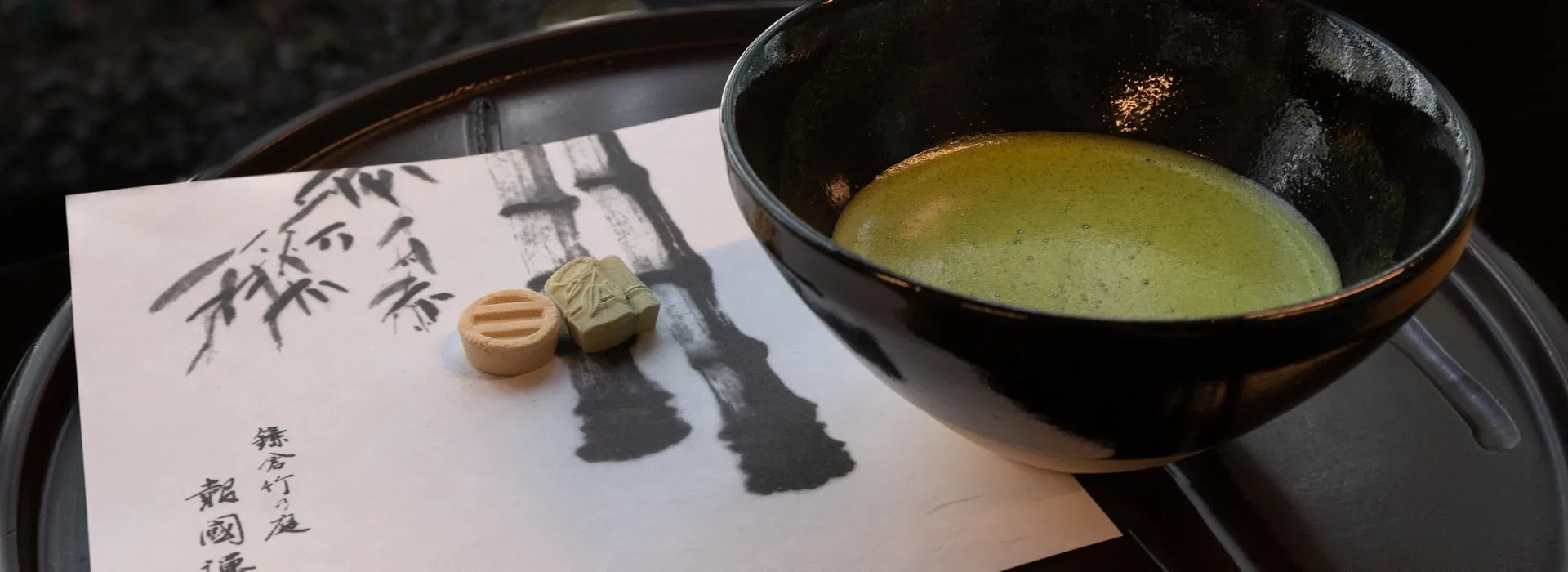
Private vs Group: Which to Book?
When the extra cost is worth it — and when it isn't.
Read the guide →
Best Ceremonies If You Can't Sit Seiza
Chair-friendly options for travellers with knee or back issues.
Read the guide →Most "best tea ceremony" lists are written by people who went once. Every experience I recommend is one I'd send my own guests to.
— Suzu, Urasenke practitioner in Tokyo · More about me →