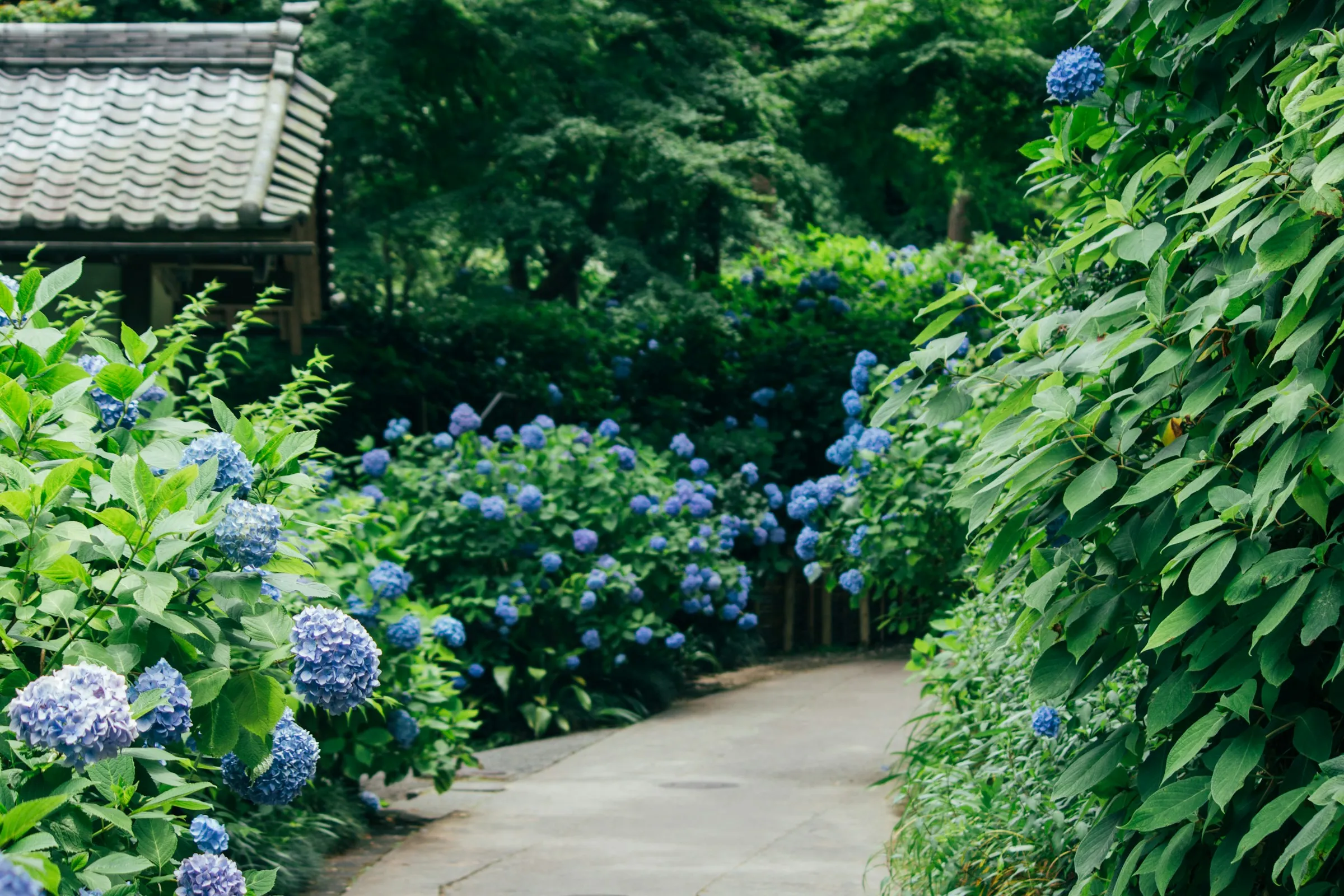
A Tea Ceremony in Every Season: What Changes Month to Month
Some links are affiliate links — we may earn a small commission at no extra cost to you.
Quick answer
Japanese tea ceremony is built around the calendar: the hearth itself changes twice a year — a sunken floor hearth (ro) for the cold months, a portable brazier (furo) for the warm ones — and the flowers, hanging scroll, and sweets change roughly every month to reflect what's blooming or being marked outside. The single biggest seasonal event is robiraki in November, when the ro hearth reopens for the year, an occasion practitioners sometimes call the tea world's own New Year. Most Tokyo tourist-facing experiences run in climate-controlled rooms with a fixed setup, so this rhythm is far more visible in a practitioner's own practice than in a one-off booking — but the flowers and sweets you're served usually still track the season, even when the hearth doesn't change.
The two hearths: ro season and furo season
The clearest seasonal marker in tea ceremony isn't decorative — it's the heat source itself. From roughly November through April, tea is prepared over the ro, a hearth sunk into the floor of the tea room, positioned close to the guests. From May through October, the ro is closed and tea is instead prepared over the furo, a portable brazier set on top of the floor, positioned further from the guests. The logic is simple and practical: in winter, guests want the warmth of the fire close by; in summer, the same closeness would be unbearable, so the heat is moved away and, symbolically, the whole atmosphere of the gathering shifts to feel cooler and lighter.
This isn't a minor detail — the switch between ro and furo changes the host's entire set of movements (temae), the placement of utensils, and even which utensils are considered appropriate. A practitioner training seriously will effectively learn two versions of most procedures, one for each half of the year.
November: robiraki, the tea world's own New Year
If there's one date worth knowing, it's the start of ro season in November. The reopening of the hearth after its summer closure is called robiraki, and it's treated as a genuinely significant occasion — some practitioners describe it as the tea world's own New Year, a fresh start even though the calendar year isn't ending yet. It's traditionally paired with the year's newly harvested tea, ground and used for the first time since being sealed away in early summer, so the gathering carries a double sense of renewal: new hearth, new tea.
What else changes month to month
Beyond the hearth, three things shift constantly and are what most guests actually notice:
The flowers (chabana). Whatever is placed in the tokonoma alcove is chosen to be in season right now, not a hothouse approximation of it — a single branch or bloom, never an arrangement, and never anything with a strong scent that would compete with the incense or the tea itself. A host choosing camellia in winter or hydrangea in the rainy season is making a small, deliberate statement about the exact week of your visit.
The hanging scroll (kakejiku). The scroll in the same alcove is often changed to match the season or the specific gathering, sometimes carrying a line of poetry or a Zen phrase chosen to suit the month or the occasion.
The sweets (wagashi). As covered in our wagashi guide, the shape, color, and name of the sweet served before your tea is almost always tied to the season — a persimmon in autumn, a hydrangea motif in the rainy season, cherry blossoms in spring.
A rough feel for the year
None of this is a rigid checklist — different schools and individual hosts make their own choices — but broadly:
- Winter (Dec–Feb): the ro hearth is in full use; expect quieter, warmer visual themes — plum blossoms (ume) begin appearing toward the end of this stretch as the earliest sign of spring.
- Spring (Mar–May): cherry blossoms (sakura) dominate March and April, arguably the single most sought-after seasonal window for a tea gathering; May brings fresh new greenery (shinryoku) and the switch to the furo.
- Summer (Jun–Aug): visual and material choices shift to feel cooler — hydrangea (ajisai) during the rainy season in June, glass or lighter-feeling utensils sometimes used in the height of summer heat, hearths kept at a symbolic distance from guests.
- Autumn (Sep–Nov): moon-viewing themes early on, followed by autumn foliage (momiji) and chrysanthemum motifs, building toward robiraki and the return of the ro in November.
Does this affect your Tokyo tourist booking?
Mostly, no — and it's worth being honest about that rather than romanticizing it. Many tourist-facing tea ceremony venues in Tokyo operate out of fixed, climate-controlled rooms designed for consistency and easy scheduling, which often means a single set of equipment used year-round rather than a genuine sunken ro hearth that's opened and closed on the traditional calendar. If hearth switching is something you specifically want to see, it's worth asking a venue directly before booking, the same way we'd suggest asking about a host's training in 10 questions to ask before you book.
What does usually carry through, even at a standardized tourist session, is the smaller, cheaper seasonal touches — the sweet you're served, and sometimes the flowers in the room. Those cost a host far less to rotate than swapping an entire hearth system, so they're the seasonal detail most likely to actually reach your visit regardless of which venue you book.
Frequently Asked Questions
- What is robiraki?
- Robiraki is the reopening of the sunken ro hearth in November, marking the start of the cold-season half of the tea calendar. It's traditionally paired with the year's newly harvested tea and is treated as a significant occasion — some practitioners call it the tea world's own New Year.
- What's the difference between ro and furo?
- Ro is a sunken floor hearth used roughly November through April, positioned close to guests for warmth. Furo is a portable brazier set on top of the floor, used roughly May through October, positioned further away to feel cooler. The switch changes the host's procedures, utensil placement, and the overall mood of the gathering.
- Will I see seasonal flowers or sweets at a tourist tea ceremony in Tokyo?
- Often, yes, even at standardized venues — seasonal sweets and, sometimes, seasonal flowers are inexpensive to rotate and are the detail most likely to carry through regardless of venue. A genuine ro-to-furo hearth switch is less common at fixed tourist-facing setups.
- Is there a best time of year to book a tea ceremony in Tokyo?
- Cherry blossom season (late March–April) is the most sought-after window and books up fastest, but tea ceremony is practiced year-round and every season has its own visual theme — there's no wrong time, only a different mood.
- Does the season affect the price of a Tokyo tea ceremony experience?
- Not directly — pricing in our Price Index is set by venue, duration, and inclusions, not by month. Peak seasons like cherry blossom week can mean bookings fill up faster, which is a scheduling concern more than a pricing one.